Bollinger Bands Strategy Introduction Every trader, at some point, asks...
اقرأ المزيد
When you finally decide to put your money to work in the financial markets, you are immediately faced with a fork in the road. Do you buy a stock, lock it away, and forget about it for ten years? or do you watch the charts like a hawk, looking for quick profits from daily price movements?
Neither path is “wrong,” but they are completely different disciplines. It is a bit like the difference between being a landlord collecting rent (investing) and a house flipper selling properties for a markup (trading).
At PhillipCapital DIFC, we see clients succeed with both approaches, but usually, the ones who fail are the ones who don’t know which game they are playing. Let’s break down the differences in mindset, lifestyle, and the all-important tax implications for investors here in the UAE.
The biggest difference isn’t the charts you look at; it’s your relationship with “value” versus “price.”
If you adopt a Buy and Hold strategy, you are essentially thinking like a business owner. You don’t care much if the stock price drops 2% tomorrow. You care about whether the company is profitable, has good management, and will be bigger in five years than it is today. You are banking on the compound growth of the company itself. You are looking to capture the long-term upward drift of the economy.
Trading, on the other hand, is a relationship with price action and volatility. As a trader, you might not care if a company is “good” or “bad.” You only care if the price is moving. You are looking for inefficiencies—moments where a stock is temporarily overbought or oversold—and you capitalize on that snap-back. A trader can make money even when the market is crashing (by short selling), whereas a buy-and-hold investor usually needs the market to go up to profit.
Explore our full range of Global Products & Services to see where you fit in.
Absolutely. This is where most people trip up—they try to trade with an investor’s personality, or invest with a trader’s impatience.
The Trading Mindset requires:
The Buy and Hold Mindset requires:
This is the “golden question” for our clients in Dubai and the wider UAE. We are in a unique position compared to investors in Europe or the US.
In many Western jurisdictions, the taxman treats “Capital Gains” (long-term holding) very differently from “Income” (active trading). Usually, active traders get taxed at a much higher rate because their profits are viewed as a salary.
However, for individual investors in the UAE: Currently, the UAE does not levy personal income tax on individuals for earnings derived from investing in stocks, bonds, or mutual funds in their personal capacity. Whether you buy a stock and sell it ten minutes later (Trading) or ten years later (Buy and Hold), there is generally 0% Capital Gains Tax for individuals.
This is a massive advantage. It means your “compounding” happens faster because you aren’t paying a 20% or 30% cut to the government every time you close a winning position.
A Note on “Business Activity”: While personal investment is tax-free, if you are trading with such high frequency and volume that it resembles a commercial business operation (managing others’ money or proprietary trading as a corporation), you might fall under the Corporate Tax regime. However, for many retail clients managing their own savings, the tax efficiency remains one of the biggest perks of living here.
Note: Always consult with a qualified tax advisor in the UAE to understand your specific liability, especially if you hold US citizenship or are a tax resident of another country.
The standard answer is “Trading is riskier,” but the real answer is nuanced.
Trading Risk: The risk here is volatility and leverage. Traders often use margin (borrowed money) to amplify returns. If you use leverage incorrectly, a small move against you can wipe out your account. The risk is immediate and sharp.
Buy and Hold Risk: The risk here is time and opportunity cost. If you buy a stock and hold it for 10 years, and that company goes bankrupt (think Kodak or Nokia), you have lost 10 years of capital usage. You can’t just “set it and forget it” blindly; you still need to ensure the company remains fundamentally strong.
However, historically speaking, a diversified Buy and Hold portfolio (like holding a global index tracker) has a much higher success rate for the average person than day trading. Trading requires skill development, whereas buy and hold requires patience.
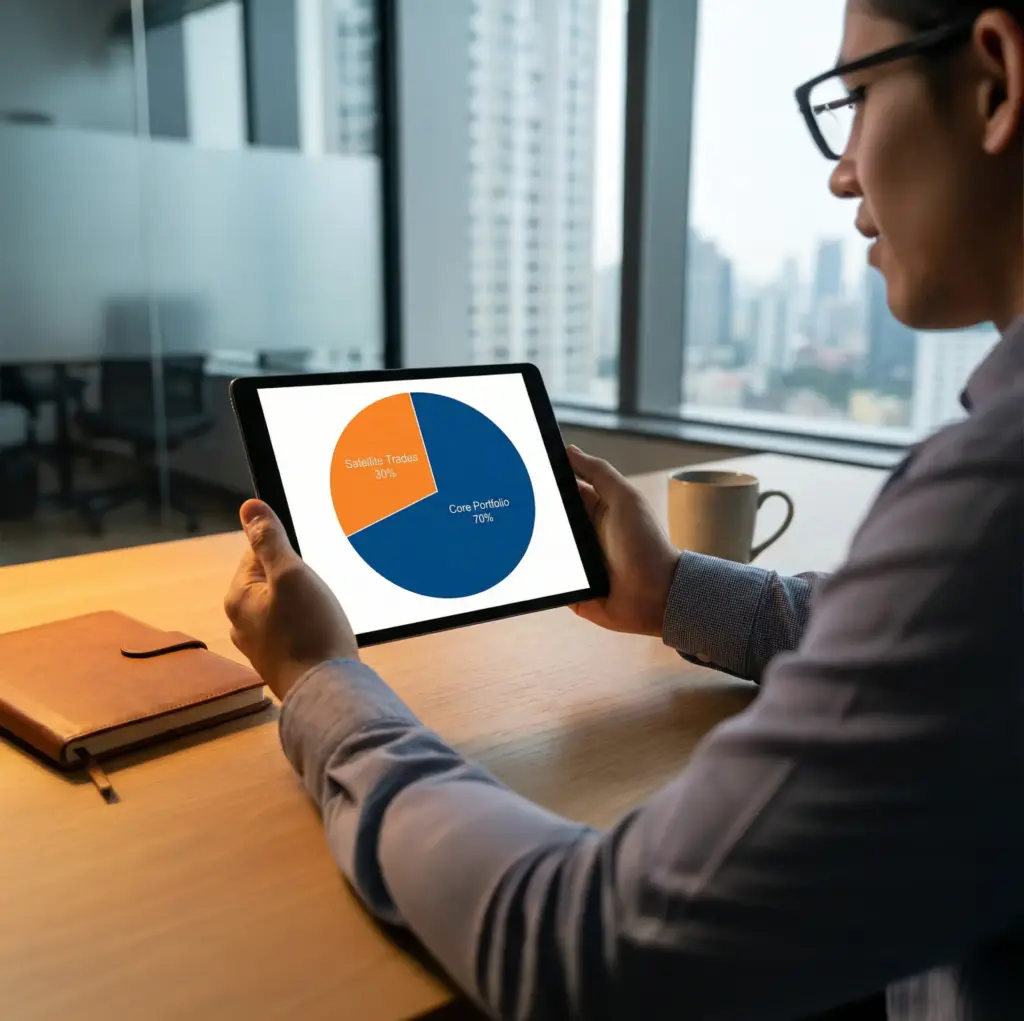
Yes, and this is actually what we recommend for many of our sophisticated clients at PhillipCapital. It is called the “Core and Satellite” approach.
This way, if you make a mistake trading, you haven’t ruined your financial life because your “Core” is still safe. But if you trade well, you can generate extra cash flow to feed back into your long-term investments.
While “Buy and Hold” is a long-term strategy, the word Hold has a specific meaning in active trading:
Maintaining a Position: It means you have already entered a trade (bought a stock) and are keeping it open. You haven’t hit your “take profit” target yet, but you also haven’t hit your “stop loss” (the point where you exit to prevent further loss).
Neutral Stance: It is a decision to do nothing. In a fast-moving market, deciding not to sell is an active choice. It implies you believe the current trend will continue or that a temporary dip is not worth exiting over.
Yes. Active trading is one of the most difficult ways to make “easy money.”
The Emotional Tax: Trading requires extreme discipline. Most people lose money because they let “loss aversion” keep them in bad trades too long or let greed pull them out of good trades too early.
The “Zero-Sum” Nature: When you trade, you are often competing against high-frequency algorithms and institutional banks with more data and faster execution.
Leverage: Many active traders use margin (borrowed money). If a trade goes the wrong way by even 5%, and you are leveraged 10:1, you could lose 50% of your capital instantly.
| Feature | Trading | Buy and Hold (Investing) |
| Timeframe | Short-term (seconds, days, or months). | Long-term (years or decades). |
| Goal | Profit from short-term price fluctuations. | Wealth accumulation through long-term growth. |
| Effort | High; requires constant market monitoring. | Lower; “set it and forget it” approach. |
| Taxes/Fees | High; frequent trades lead to more commissions and short-term capital gains tax. | Low; fewer transactions and long-term tax rates. |
| Mindset | Speculative and technical. | Fundamental and patient. |
Trading foreign exchange and/or contracts for difference on margin carries a high level of risk, and may not be suitable for all investors as you could sustain losses in excess of deposits. The products are intended for retail, professional and eligible counterparty clients. Before deciding to trade any products offered by PhillipCapital (DIFC) Private Limited you should carefully consider your objectives, financial situation, needs and level of experience. You should be aware of all the risks associated with trading on margin. The content of the Website must not be construed as personal advice. For retail, professional and eligible counterparty clients. Before deciding to trade any products offered by PhillipCapital (DIFC) Private Limited you should carefully consider your objectives, financial situation, needs and level of experience. You should be aware of all the risks associated with trading on margin.
Rolling Spot Contracts and CFDs are complex instruments and come with a high risk of losing money rapidly due to leverage. 78% of our retail client accounts lose money while trading with us. You should consider whether you understand how Rolling Spot Contracts and CFDs work, and whether you can afford to take the high risk of losing your money.
Bollinger Bands Strategy Introduction Every trader, at some point, asks...
اقرأ المزيدMoving Average Crossover Introduction Every trader, whether new or experienced,...
اقرأ المزيدSupport/Resistance Bounce Table of Contents Introduction What Is Support and...
اقرأ المزيدBreakout Trading Introduction Every experienced trader knows that markets don’t...
اقرأ المزيدTrend Following Strategy Introduction Most traders spend years trying to...
اقرأ المزيدMagic Formula Investing A Guide to Greenblatt’s Systematic Strategy Introduction...
اقرأ المزيدRebalancing Strategy Mastering Portfolio Rebalancing: A Strategic Approach to Risk...
اقرأ المزيدContrarian Investing / Dip buying Mastering the Art of Contrarian...
اقرأ المزيدGrowth at Reasonable Price (GARP) Mastering Growth at Reasonable Price...
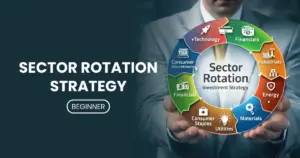
اقرأ المزيدSector Rotation A Strategic Guide to Investing Through Economic Cycles...
اقرأ المزيدDividend Growth Investing Mastering Dividend Growth Investing: The Strategy for...
اقرأ المزيدGrowth Investing The High-Risk, High-Reward Strategy for UAE Investors Growth...
اقرأ المزيدBuy and Hold vs. Trading Understanding the difference in mindset...
اقرأ المزيد
تقدّم فيليب كابيتال (مركز دبي المالي العالمي) خدمات الوساطة المؤسسية وخدمات الأفراد في دبي، وهي معترف بها كأفضل وسيط غير مصرفي في تقديم حلول تداول عالمية آمنة ومتقدّمة.
ينبغي عليكم النظر بعناية في أهدافكم ووضعكم المالي واحتياجاتكم ومستوى خبرتكم قبل الانخراط في أنشطة التداول. وعليكم الإلمام بجميع المخاطر المرتبطة بالتداول بالهامش. إن العقود الفورية المتجددة وعقود الفروقات أدوات مالية معقّدة وتنطوي على مخاطر مرتفعة لخسارة الأموال بسرعة بسبب الرافعة المالية.
شركة فيليب كابيتال (مركز دبي المالي العالمي) المحدودة — وهي عضو في مجموعة فيليب كابيتال — مؤسّسة في مركز دبي المالي العالمي (DIFC)، ويقع مقر عملها في 417، ليبرتي هاوس، المركز المالي، دبي، الإمارات العربية المتحدة، وهي خاضعة لتنظيم سلطة دبي للخدمات المالية (DFSA) تحت الرقم المرجعي F003474. وقد تُقدَّم بعض المنتجات والخدمات المذكورة على هذا الموقع من خلال مكاتب أخرى تابعة لمجموعة فيليب كابيتال وليس مباشرةً من قِبَل شركة فيليب كابيتال (مركز دبي المالي العالمي) المحدودة. جميع الحقوق محفوظة.
لا تقدّم شركة فيليب كابيتال (مركز دبي المالي العالمي) المحدودة خدماتها لأي أشخاص أو كيانات أو ولايات قضائية خاضعة لعقوبات مجلس الأمن التابع للأمم المتحدة، أو للعقوبات المالية المستهدفة في دولة الإمارات العربية المتحدة (بما في ذلك القائمة المحلية للإرهابيين في الدولة)، أو للدول المصنّفة على أنها خاضعة لدعوة إلى اتخاذ إجراء ضمن أطر مكافحة غسل الأموال وتمويل الإرهاب في دولة الإمارات (اللجنة الوطنية لمواجهة غسل الأموال / مجموعة العمل المالي FATF).
المعلومات الواردة في هذا الموقع ليست موجّهة إلى المقيمين في الولايات المتحدة، وليست مُعدّة للتوزيع على أي شخص أو للاستخدام من قِبَله في أي ولاية قضائية يكون فيها هذا التوزيع أو الاستخدام مخالفاً للقوانين أو اللوائح المحلية.
* تُقدَّم من خلال كيانات المجموعة.