Supply Chain Analysis for Equity Investors Introduction Every product a...
Read More

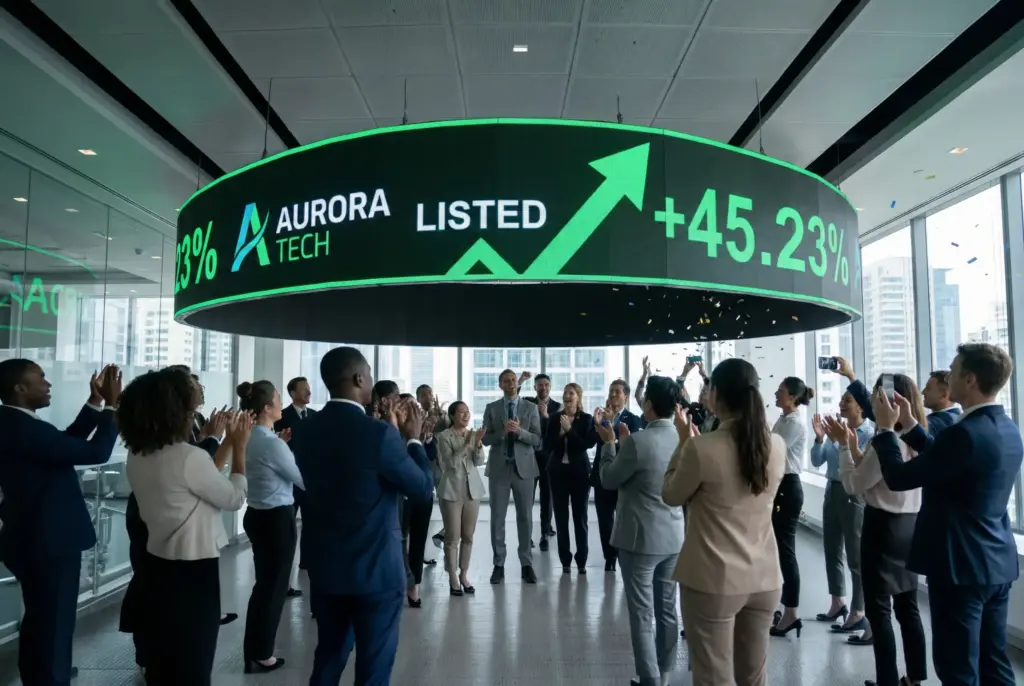
In the dynamic world of global finance, few events capture the market’s attention quite like an Initial Public Offering (IPO). Whether it is a tech giant in Silicon Valley or a major utility provider here in the UAE, an IPO marks a transformative moment where a private company opens its doors to public ownership.
For investors, understanding the lifecycle of an IPO is crucial. It is not just about the “opening bell”; it is a rigorous, regulated journey involving due diligence, valuation, and regulatory approvals. As a leading broker regulated by the DFSA, PhillipCapital DIFC believes in empowering our clients with the knowledge to navigate these opportunities with confidence.
Below, we break down the complex machinery of an IPO into a clear, descriptive guide.

An Initial Public Offering (IPO) is the process by which a private corporation offers its shares to the public in a new stock issuance for the first time. Before an IPO, a company is considered “private,” meaning its shares are held by a small group of founders, early investors (like venture capitalists), and employees.
The significance of an IPO lies in the transition. When a company “goes public,” its ownership is democratized. The company gets access to a massive pool of capital from the public market to fund expansion, pay off debts, or invest in research and development. For the market, it introduces a new investment vehicle, allowing retail and institutional investors to own a piece of the company’s future.
Going public is time-consuming and expensive, yet it remains a primary goal for many growing businesses. The motivations are multifaceted:
The road to an IPO is a marathon, not a sprint. While timelines vary, the standard process involves these critical phases:
Open a secure trading account with PhillipCapital DIFC today.


While the fundamental principles remain the same, the regulatory landscape in the UAE is specific.
The “Quiet Period” is a mandated window of time during the IPO process where the company and its insiders are legally restricted from making any public statements that could hype up the stock or influence investors.
This regulation ensures that all investors have access to the same information—specifically, the data found in the official Prospectus. It prevents the company from inflating the stock price through marketing spin rather than financial reality. For investors, this period is a reminder to rely on the official documents and fundamental analysis rather than news headlines.
Participating in an IPO can be an exciting opportunity to buy into a company at its “ground floor” price. Here is how you generally proceed:
Our expert dealers can help you navigate upcoming listings and secondary market opportunities.
While IPOs often garner media hype, they carry specific risks that investors must align with their risk appetite (EEAT principle: Honesty and Transparency):
At PhillipCapital DIFC, we recommend reading the risk factors section of the IPO prospectus carefully or consulting with a financial advisor before subscribing.
The IPO process is the bridge between a private vision and public success. Whether you are a business owner eyeing a future listing or an investor looking for the next growth stock, understanding the mechanics of this process is your first step toward informed decision-making.
Ready to start your investment journey? Access global markets and receive institutional-grade support with PhillipCapital DIFC.

Trading foreign exchange and/or contracts for difference on margin carries a high level of risk, and may not be suitable for all investors as you could sustain losses in excess of deposits. The products are intended for retail, professional and eligible counterparty clients. Before deciding to trade any products offered by PhillipCapital (DIFC) Private Limited you should carefully consider your objectives, financial situation, needs and level of experience. You should be aware of all the risks associated with trading on margin. The content of the Website must not be construed as personal advice. For retail, professional and eligible counterparty clients. Before deciding to trade any products offered by PhillipCapital (DIFC) Private Limited you should carefully consider your objectives, financial situation, needs and level of experience. You should be aware of all the risks associated with trading on margin.
Rolling Spot Contracts and CFDs are complex instruments and come with a high risk of losing money rapidly due to leverage. 78% of our retail client accounts lose money while trading with us. You should consider whether you understand how Rolling Spot Contracts and CFDs work, and whether you can afford to take the high risk of losing your money.
Supply Chain Analysis for Equity Investors Introduction Every product a...
Read MoreMarket Share Analysis How Investors Measure Company Dominance in an...
Read MoreCompetitive Positioning Table of Contents Introduction What Is Competitive Positioning...
Read MoreSector Classification Systems Table of Contents Introduction What Is an...
Read MoreSector Classification Systems Introduction Every listed company belongs somewhere. Whether...
Read MoreOptions Exercise & Assignment Table of Contents Introduction What Does...
Read MoreAmerican vs European Options Table of Contents Introduction What Is...
Read MoreOptions Expiration Dates Table of Contents Introduction What Is an...
Read MoreIntrinsic Value and Time Value Introduction When you buy or...
Read MoreIn-the-Money, At-the-Money, Out-of-the-Money Options Introduction If you have started exploring...
Read MoreCall Options Explained Table of Contents Introduction What Exactly Is...
Read MoreOptions Fundamentals Table of Contents Introduction What Is an Option...
Read MorePerpetual Bonds Table of Contents Introduction What Are Deferred Coupon...
Read MoreInflation-Linked Bonds Introduction Inflation is the silent tax that erodes...
Read MoreConvertible Bonds Explained: Structure, Benefits, and Risks for Investors Table...

Read MoreCallable and Putable Bonds Table of Contents Introduction What Is...
Read MoreMunicipal Bonds & Tax Implications Introduction When investors look for...
Read MoreGovernment Bonds & Treasury Securities Guide Table of Contents Introduction...

Read MoreGovernment Bonds & Treasury Securities Guide Introduction When markets get...
Read MoreBollinger Bands Strategy Introduction Every trader, at some point, asks...
Read MoreMoving Average Crossover Introduction Every trader, whether new or experienced,...
Read MoreSupport/Resistance Bounce Table of Contents Introduction What Is Support and...
Read MoreBreakout Trading Introduction Every experienced trader knows that markets don’t...
Read Moreتوفر فيليب كابيتال )مركز دبي المالي العالمي( خدمات الوساطة المالية للمؤسسات وعملاء التجزئة في دبي، وهي معترف بها بوصفها أفضل وسيط من غير البنوك لحلول تداول عالمية آمنة ومتقدمة
You should carefully consider your objectives, financial situation, needs, and level of experience before engaging in trading activities. You should be aware of all the risks associated with trading on margin. Rolling Spot Contracts and CFDs are complex instruments and carry a high risk of losing money rapidly due to leverage.
المعلومات الواردة في هذا الموقع غير موجهة إلى المقيمين في الولايات المتحدة، وغير معّدة للتوزيع على أي شخص، أو للاستخدام من ِقبل أي شخص، في أي ولاية قضائية يكون فيها هذا التوزيع أو الاستخدام مخالًفا للقوانين أو اللوائح المحلية. *ُتقَّدم من خلال كيانات المجموعة
لا تقدم شركة فيليب كابيتال ( مركز دبي المالي العالمي ) المحدودة الخاصة خدماتها إلى أي أشخاص أو كيانات أو ولايات قضائية خاضعة لعقوبات مجلس الأمن التابع للأمم المتحدة (UNSC)، أو العقوبات المالية المستهدفة لدولة الإمارات العربية المتحدة )بما في ذلك قائمة الإرهاب المحلية لدولة الإمارات(، أو الدول المصنفة ضمن الدول الخاضعة لدعوة إلى اتخاذ إجراءات بموجب أطر مواجهة غسل الأموال وتمويل الإرهاب في دولة الإمارات .(NAMLCFTC/FATF)
المعلومات الواردة في هذا الموقع غير موجهة إلى المقيمين في الولايات المتحدة، وغير معّدة للتوزيع على أي شخص، أو للاستخدام من ِقبل أي شخص، في أي ولاية قضائية يكون فيها هذا التوزيع أو الاستخدام مخالًفا للقوانين أو اللوائح المحلية. *ُتقَّدم من خلال كيانات المجموعة