Energy Futures Trading Introduction Energy is the lifeblood of the...
Read MoreEnergy Futures Trading
Introduction
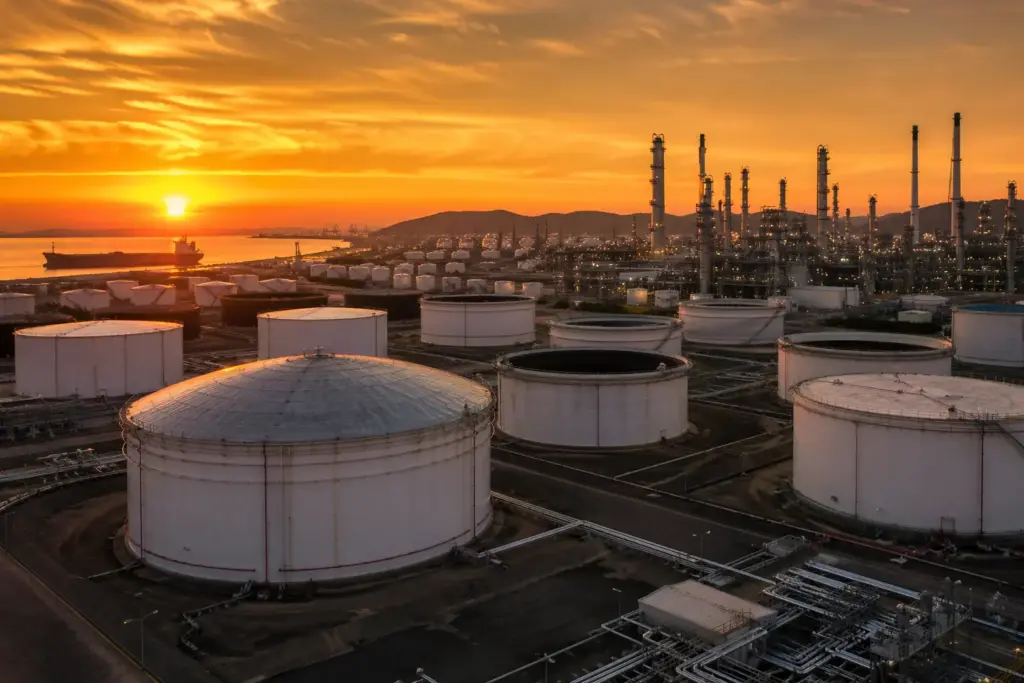
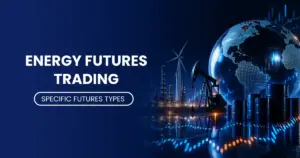
Energy is the lifeblood of the modern global economy. From the fuel that powers international logistics to the natural gas that heats our homes, energy commodities are constantly in demand. For investors and financial professionals, this massive, non-stop physical market translates into one of the most dynamic trading environments in the world: the energy futures market.
Trading energy futures offers a unique pathway to gain exposure to global economic trends without needing to physically store barrels of oil or transport natural gas. Whether the goal is to protect a business from rising fuel costs or to capitalize on price movements, energy futures provide the necessary tools. This comprehensive guide will walk you through the mechanics, key markets, pricing drivers, and risk management strategies essential for navigating the energy derivatives landscape.
Table of Contents
- What exactly are energy futures contracts?
- How do energy futures work in practice?
- What are the most traded energy futures markets?
- Who trades energy futures and why?
- What drives the price of energy futures?
- How can investors use energy futures in their portfolios?
- What are the primary risks involved in trading energy futures?
- Does trading energy futures require physical delivery?
- Conclusion and Key Takeaways
What exactly are energy futures contracts?
At its core, an energy futures contract is a legally binding agreement between a buyer and a seller. They agree to exchange a specific quantity of an energy commodity—such as 1,000 barrels of crude oil—at a predetermined price on a specific date in the future.
These are highly standardized instruments regulated by major global exchanges. This standardization means that every contract for a specific asset dictates the exact quality, quantity, and expiration timeline, allowing for seamless buying and selling. Before diving into sector-specific strategies, understanding futures contracts as a broader financial instrument is highly recommended to grasp how these agreements maintain market integrity and liquidity.
How do energy futures work in practice?
Unlike buying stocks, where you pay the full value of the shares upfront, trading futures relies on a system of margin and leverage. When you enter an energy futures trade, you are not required to pay the total value of the oil or gas. Instead, you deposit a fraction of the total contract value, known as an “initial margin,” which acts as a performance bond.
Because you only put down a small percentage of the contract’s total worth, your trading power is significantly magnified. Furthermore, futures accounts are “marked-to-market” daily. This means that at the end of every trading session, any profits are credited to your account balance, and any losses are deducted. If a dropping market causes your account balance to fall below a certain threshold, you will be required to deposit more funds to keep the position open.
Access Energy Markets with Professional Infrastructure
Experience deep liquidity, robust risk management, and expert execution for your derivatives portfolio.

What are the most traded energy futures markets?
The energy futures landscape is dominated by a few major benchmark contracts that serve as reference points for global pricing:
- Brent Crude Oil: Extracted from the North Sea, Brent is the leading global price benchmark for Atlantic basin crude oils. It is used to price roughly two-thirds of the world’s internationally traded crude oil supplies.
- West Texas Intermediate (WTI): This is the underlying commodity for the New York Mercantile Exchange’s oil futures contracts. WTI is a lighter, sweeter crude oil compared to Brent, making it ideal for refining into gasoline. It serves as the primary benchmark for the U.S. oil market.
- Natural Gas: Often traded via the Henry Hub benchmark, natural gas is heavily influenced by domestic weather patterns and industrial demand. It is known for its high volatility, especially during extreme summer or winter seasons.
Who trades energy futures and why?
The futures market requires a healthy balance of two main types of participants to function effectively:
- Hedgers: These are individuals or corporations that have a direct, physical interest in the underlying commodity. For instance, an airline company might buy crude oil futures to lock in a purchase price and protect itself from sudden spikes in jet fuel costs. Conversely, an oil drilling company might sell futures to guarantee a minimum selling price for their future production. Their primary goal is risk reduction, not profit.
- Speculators: This group includes institutional investors, hedge funds, and retail traders. Speculators do not want to take delivery of the physical oil or gas. Instead, they are willing to absorb the risk that the hedgers are trying to shed, hoping to profit from the price fluctuations. Speculators provide the deep liquidity that makes the futures market so efficient.
What drives the price of energy futures?
Energy markets are famously sensitive to global events. The fundamental driver is the basic economic principle of supply and demand. If the global economy is booming, factories are running, and travel is high, the demand for oil increases, pushing prices up.
However, supply can be disrupted rapidly. Geopolitical tensions in oil-producing regions, decisions by alliances like OPEC+ regarding production quotas, and even unexpected natural disasters can cause severe supply bottlenecks. When analyzing these price movements, investors often study the relationship between the immediate physical market and the forward-looking expectations, leading to a careful assessment of the spot price vs futures price. If the market expects oil to be scarce in the future, the futures price will trade at a premium to the current spot price.
How can investors use energy futures in their portfolios?
For sophisticated investors, energy futures offer excellent diversification benefits. Because energy commodities often move independently of traditional stock and bond markets, they can provide a cushion during equity market downturns.
Furthermore, energy is a primary driver of inflation. As the cost of oil rises, the cost of manufacturing and transportation rises, driving up consumer prices. Holding a long position in energy futures can serve as an effective hedge against inflation, protecting the purchasing power of an investment portfolio.
Elevate Your Trading Strategy
Leverage world-class infrastructure, deep liquidity, and expert execution for your derivatives trading.
What are the primary risks involved in trading energy futures?
While the potential for reward is substantial, the risks in energy futures trading are equally significant. The most prominent risk comes from leverage. Because you are controlling a large asset with a small amount of initial capital, even a minor adverse movement in the price of crude oil or natural gas can result in losses that exceed your initial margin deposit.
Additionally, the energy market is highly susceptible to “gap risk.” This occurs when major news—such as a sudden geopolitical conflict or an unexpected policy shift over the weekend—causes the market to open at a drastically different price than where it closed, bypassing protective stop-loss orders. Traders must employ rigorous risk management frameworks and strictly define their capital allocation before entering the market.

Does trading energy futures require physical delivery?
A common misconception among newer investors is the fear of waking up to thousands of barrels of oil delivered to their doorstep. While a futures contract is a legally binding obligation to make or take delivery, the vast majority of financial participants never handle the physical commodity.
Speculators and investors avoid physical delivery by “offsetting” or “rolling” their positions. Offsetting involves taking an equal and opposite trade before the contract expires—if you bought one contract of WTI, you simply sell one contract of WTI before the delivery deadline, canceling out your obligation and settling your profit or loss in cash. For those who wish to maintain their market exposure long-term, they will sell the expiring contract and simultaneously buy a contract expiring in a later month, a process known as rolling.
Conclusion: Key Takeaways
Energy futures trading is a dynamic and sophisticated arena that plays a crucial role in the global financial ecosystem. Here are the core takeaways to remember:
- Powerful Leverage: Futures allow you to control large quantities of energy commodities with a relatively small upfront capital requirement, amplifying both potential gains and losses.
- Dual Function: The market serves a dual purpose, acting as an essential insurance mechanism (hedging) for physical energy producers and consumers, while offering profit opportunities (speculation) for investors.
- Price Sensitivity: Energy futures are highly responsive to global supply and demand dynamics, geopolitical events, and macroeconomic indicators like inflation.
- Cash Settlement vs. Delivery: Professional and retail investors do not need to worry about physical delivery; positions are easily offset or rolled before expiration, settling the financial difference in cash.
- Risk Management is Paramount: Due to high volatility and leverage, strict risk management protocols are required to trade energy derivatives successfully.
By understanding these mechanisms, investors can effectively utilize energy futures to hedge risks, diversify portfolios, and navigate the complexities of global commodity markets.
Frequently Asked Questions (FAQs)
Not necessarily, but you do need enough to cover the “initial margin.” Futures use leverage, meaning you only deposit a fraction of the total contract value to open a trade. However, because energy markets can be highly volatile, maintaining extra capital in your account to absorb sudden price swings and avoid margin calls is essential.
No. This is a common misconception, but the vast majority of traders never take physical delivery. As a financial participant, you simply close out (or “offset”) your position by taking an opposite trade before the contract expires. This settles your profits or losses entirely in cash.
The best time is usually when the market is most liquid. For contracts like WTI crude oil or natural gas, peak volume occurs during the regular trading hours of the New York Mercantile Exchange (NYMEX). Activity often spikes specifically around 10:30 AM EST on Wednesdays when the weekly US crude oil inventory reports are released.
Absolutely. Because the cost of energy directly drives the manufacturing and transportation costs of almost all everyday goods, energy prices typically rise alongside inflation. Many investors use long positions in energy futures to protect their portfolio’s purchasing power during inflationary periods.
Disclaimer:
Trading foreign exchange and/or contracts for difference on margin carries a high level of risk, and may not be suitable for all investors as you could sustain losses in excess of deposits. The products are intended for retail, professional and eligible counterparty clients. Before deciding to trade any products offered by PhillipCapital (DIFC) Private Limited you should carefully consider your objectives, financial situation, needs and level of experience. You should be aware of all the risks associated with trading on margin. The content of the Website must not be construed as personal advice. For retail, professional and eligible counterparty clients. Before deciding to trade any products offered by PhillipCapital (DIFC) Private Limited you should carefully consider your objectives, financial situation, needs and level of experience. You should be aware of all the risks associated with trading on margin.
Rolling Spot Contracts and CFDs are complex instruments and come with a high risk of losing money rapidly due to leverage. 78% of our retail client accounts lose money while trading with us. You should consider whether you understand how Rolling Spot Contracts and CFDs work, and whether you can afford to take the high risk of losing your money.
Commodity Futures
Commodity Futures What Are Commodity Futures? A Comprehensive Guide for...
Read MoreInterest Rate Futures
Interest Rate Futures Mastering Interest Rate Futures: A Strategic Guide...
Read MoreCash Settlement vs Physical Delivery
Cash Settlement vs Physical Delivery in Trading Cash Settlement vs...
Read MoreFutures Settlement Methods
Futures Settlement Methods Introduction Navigating the financial markets requires a...
Read MoreMargin Calls & Mark-to-Market
Margin Calls & Mark-to-Market Table of Contents Introduction to Futures...
Read MoreInitial vs. Maintenance Margin
Initial vs. Maintenance Margin Understanding Initial and Maintenance Margins: A...
Read MoreContango & Backwardation Explained
Contango and Backwardation Explained Contango and Backwardation Explained: Navigating Futures...
Read MoreForward-Looking Basis
Forward-Looking Basis in Futures Trading Table of Contents Introduction What...
Read MoreFutures Pricing And Valuation
Futures Pricing And Valuation Table of Contents What is the...
Read MoreHow Futures Exchanges Work

How Futures Exchanges Work Understanding the Mechanics of Global Futures...
Read MoreUnderstanding Futures Contracts
Understanding Futures Contracts Understanding Futures Contracts in Global Markets In...
Read MoreLong vs Short Positions in Derivatives

Long vs Short Positions in Derivatives A Complete Guide for...
Read MoreOver-the-Counter (OTC) vs Exchange-Traded Derivatives
Over-the-Counter (OTC) vs Exchange-Traded Derivatives A Complete Guide for UAE...
Read MoreTypes of Derivatives: Futures, Options, Swaps, and Forwards
Types of Derivatives Futures, Options, Swaps, and Forwards In the...
Read MoreWhat are Derivatives and Their Purpose
What are Derivatives and Their Purpose The financial world is...
Read MoreEssentials of Derivatives Trading
Essentials of Derivatives Trading The financial world is vast, and...
Read More