Futures Contracts

Understanding Futures Contracts

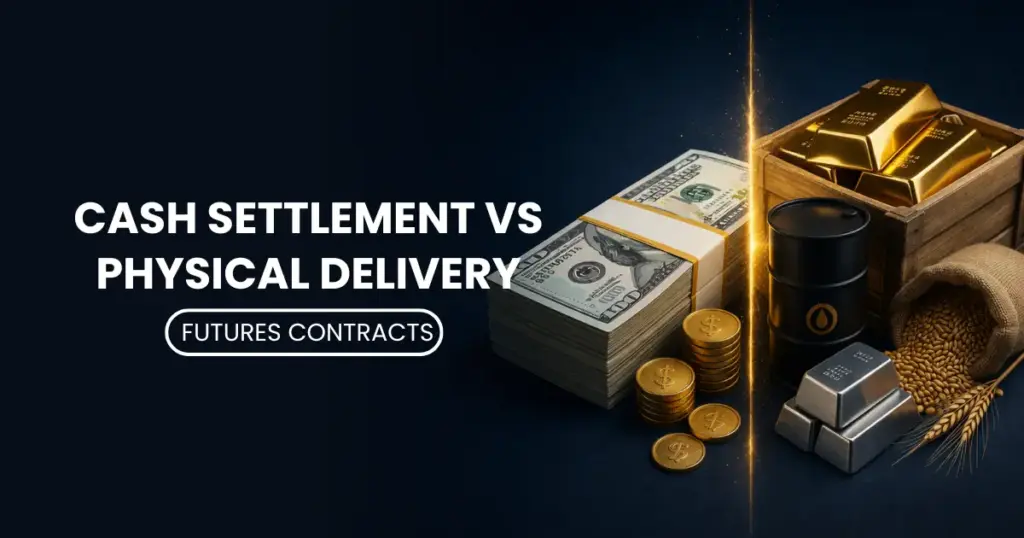
Understanding Futures Contracts Understanding Futures Contracts in Global Markets In the rapidly evolving landscape of global finance, futures contracts stand as one of the most versatile tools for managing risk and capturing market opportunities. As a cornerstone of the derivatives market, these instruments allow participants—from institutional hedgers to sophisticated retail investors—to lock in prices and navigate volatility across diverse asset classes like commodities, currencies, and equity indices. Whether you are looking to protect a portfolio from sudden price swings or seeking to leverage market movements in the international arena, a deep understanding of how these standardized agreements function is essential. This guide provides a professional overview of the mechanics, participants, and strategic importance of futures within a modern investment framework. Table of Contents What is a futures contract and how does it function? How do futures differ from forward contracts? What are the primary components of a futures contract? Who are the main participants in the futures market? What are the risks and rewards of trading futures? Conclusion What is a futures contract and how does it function in modern finance? A futures contract is a standardized legal agreement to buy or sell a specific asset—such as a commodity, currency, or financial instrument—at a predetermined price at a specified time in the future. Unlike discretionary trading, futures obligate the buyer to purchase and the seller to sell the underlying asset unless the position is closed before expiration. These contracts are traded on regulated exchanges, ensuring a high level of transparency and liquidity for investors. In the context of global multi-asset brokerage services, futures serve as a cornerstone for institutional and retail portfolios. They function through a mechanism of daily “marking-to-market,” where the profit or loss is settled at the end of each trading session. This process minimizes default risk and ensures that the exchange remains a secure environment for price discovery. Whether you are looking at equity indices, energy, or metals, futures provide a streamlined way to gain exposure to price movements without needing to own the physical asset immediately. How do futures differ from traditional forward contracts? While both instruments involve the future delivery of an asset, the primary difference lies in standardization and regulation. Forward contracts are private, customizable agreements between two parties (Over-the-Counter or OTC), which introduces a higher degree of counterparty risk. Conversely, futures contracts are standardized in terms of quantity, quality, and delivery dates, and they are cleared through a central clearinghouse. The Role of the Clearinghouse The clearinghouse acts as the intermediary for every trade, becoming the buyer to every seller and the seller to every buyer. This structural integrity is why professional traders often prefer accessing international futures markets through regulated entities. By eliminating the need to worry about the other party’s creditworthiness, futures allow investors to focus purely on market strategy and risk management techniques. Trade with Institutional Precision Leverage world-class infrastructure and deep liquidity. View Trading Solutions What are the primary components of a standardized futures contract? To maintain liquidity and ease of trading, every futures contract follows a strict set of specifications determined by the exchange. Understanding these variables is critical for any investor conducting fundamental and technical analysis on their positions: Underlying Asset: The specific commodity or financial instrument (e.g., Brent Crude, Gold, or S&P 500 Index). Contract Size: The specific amount of the asset (e.g., 100 troy ounces for gold or 1,000 barrels for oil). Expiry Date: The final date on which the contract must be settled or rolled over. Tick Size: The minimum price fluctuation permitted by the exchange. Settlement Method: This can be either physical delivery (actual transfer of the asset) or cash settlement (transfer of the net monetary value). Who are the main participants in the futures market? The futures market thrives on the interaction between two distinct types of participants: Hedgers and Speculators. Hedgers: Protecting Against Volatility Hedgers are typically businesses or producers who use futures to “lock in” prices to protect against adverse price movements. For example, an airline might buy oil futures to hedge against a potential spike in fuel prices. By utilizing bespoke investment solutions, these entities can stabilize their cash flows and manage operational risks effectively. Speculators: Providing Essential Liquidity Speculators, including individual traders and hedge funds, do not intend to take delivery of the physical asset. Instead, they seek to profit from price fluctuations. Their presence is vital as they provide the liquidity that allows hedgers to enter and exit positions easily. Professional speculators often utilize institutional-grade trading tools to execute high-frequency or complex directional strategies. What are the risks and rewards of trading futures? Trading futures offers the advantage of leverage, allowing investors to control a large contract value with a relatively small amount of capital, known as “margin.” This can significantly amplify returns on successful trades. However, leverage is a double-edged sword; it equally amplifies potential losses, which can exceed the initial margin deposit. Effective portfolio diversification requires a disciplined approach to futures. Traders must stay vigilant about margin calls—requests for additional funds if the market moves against their position. Maintaining an authoritative grasp of market trends and utilizing stop-loss orders are essential practices for those navigating the dynamic financial landscape of the DIFC and beyond. Ready to Start Trading?  Open a professional account and trade global assets. Open An Account Conclusion: Harnessing the Power of Futures Understanding futures contracts is a prerequisite for any sophisticated investor looking to navigate global capital markets. By offering a standardized, transparent, and leveraged way to trade everything from commodities to currencies, futures provide unparalleled opportunities for both risk mitigation and capital appreciation. Whether you are a hedger looking to stabilize costs or a speculator seeking market opportunities, the key to success lies in choosing a robust clearing partner and maintaining a rigorous analytical framework. Frequently Asked Questions (FAQs) Can I lose more than my initial investment when trading futures? Yes. Because futures use leverage, you are controlling a large contract value with a relatively small “good faith” deposit (margin).

Understanding Futures Contracts Read More »

Futures Fundamentals

Futures Fundamentals A Strategic Guide to Capital Markets Table of Contents What Are Futures Contracts and How Do They Work? Why Do Investors Trade Futures? Hedging vs. Speculation What Are the Key Mechanics of a Futures Trade? What Types of Futures Markets Can I Access? How Does Leverage Impact Futures Trading? Conclusion: Navigating the Futures Landscape What Are Futures Contracts and How Do They Work? At its core, a futures contract is a legally binding agreement to buy or sell a standardized asset at a predetermined price on a specific future date. Unlike “spot” trading, where assets are exchanged immediately for cash, futures allow participants to lock in prices today for transactions that will occur weeks or months down the line. These instruments are standardized by exchange regulations, meaning every contract for a specific asset (like Gold or the S&P 500) has the same quantity, quality, and expiration rules. This standardization ensures high liquidity, allowing traders to enter and exit positions seamlessly on regulated exchanges like the CME, ICE, or DGCX. For investors seeking to understand the broader derivatives landscape, it is helpful to grasp the distinction between different position types. You can explore our deep dive on Long vs Short Positions in Derivatives to see how these contracts allow for profit potential in both rising and falling markets. Why Do Investors Trade Futures? Hedging vs. Speculation Futures markets generally serve two primary types of market participants: hedgers and speculators. Understanding which category you fall into is the first step in building a robust trading strategy. Hedgers: These are often institutions, corporations, or portfolio managers using futures to manage price risk. For example, an airline might buy crude oil futures to protect against rising fuel costs, or a portfolio manager might sell equity index futures to protect a stock portfolio during a downturn. This aligns closely with sophisticated Sector Rotation Strategies, where protecting capital is as vital as growing it. Speculators: These traders accept price risk in pursuit of profit. They analyze market data to predict price movements. Because futures allow for short selling as easily as buying, speculators can capitalize on market volatility in either direction without ever owning the physical asset. Start Your Trading Journey Unlock Global Markets Access 250+ futures products across US, Europe, and Asian exchanges. Open An Account What Are the Key Mechanics of a Futures Trade? Successful futures trading requires mastering specific terminology and mechanics that differ from traditional equity investing. Expiration Date: Every futures contract has a finite lifespan. Traders must either close their position before this date or, in some cases, prepare for physical delivery (though most financial futures are cash-settled). Initial Margin: This is the capital required to open a position. Unlike buying a stock where you pay the full value, futures require a performance bond—often just 3-10% of the contract’s total notional value. Mark-to-Market: Futures accounts are settled daily. If your position gains value, the profit is added to your account balance at the end of the trading day. Conversely, losses are deducted immediately, which is why maintaining sufficient liquidity is crucial. What Types of Futures Markets Can I Access? One of the greatest advantages of futures is the sheer diversity of asset classes available from a single trading account. Equity Indices: Trade the aggregate performance of entire economies, such as the S&P 500, NASDAQ 100, or the Nikkei 225. This provides broad market exposure without selecting individual stocks. Commodities: This includes Hard Commodities like Gold, Silver, and Copper, and Soft Commodities like Coffee, Sugar, or Wheat. Energy markets (Crude Oil and Natural Gas) are particularly popular for their volatility. Currencies (FX): Futures contracts on major currency pairs (EUR/USD, JPY/USD) offer a regulated alternative to spot forex. For those new to currency markets, our guide to Forex Basics provides essential context on how currency pairs move. Interest Rates: These allow institutions to hedge against changes in bond prices or central bank rates, a critical component of fixed-income valuation. How Does Leverage Impact Futures Trading? Leverage is a double-edged sword in futures trading. It allows you to control a large contract value with a relatively small amount of capital (margin). For instance, if a crude oil contract is valued at $70,000, you might only be required to post $7,000 as margin. If the price of oil rises by 10%, your $7,000 investment could effectively double (a 100% return on margin). However, if the price drops by 10%, you could lose your entire initial deposit. Because of this, risk management is non-negotiable. Professional traders utilize stop-loss orders and strictly limit the percentage of capital allocated to any single trade. Access Expert Insights Stay Ahead of the Curve Read daily technical analysis and fundamental market updates from our desk. View Daily Market Updates Conclusion: Navigating the Futures Landscape Futures fundamentals encompass more than just buying and selling contracts; they represent a sophisticated approach to capital efficiency and risk management. Whether you are looking to hedge an existing portfolio against volatility or speculate on global macroeconomic trends, futures offer the liquidity and flexibility required by modern investors. However, the power of leverage demands respect and education. By understanding the mechanics of expiration, margin, and asset classes, you can position yourself to navigate these markets effectively. At Phillip Capital DIFC, we provide the regulated infrastructure and global market access necessary for you to trade with confidence. Frequently Asked Questions (FAQs) What is the main difference between Futures and Options? The key difference lies in obligation versus right. A futures contract is an obligation to buy or sell the asset at the expiration date, meaning the trade must be settled. An options contract gives you the right (but not the obligation) to buy or sell. Consequently, futures prices move linearly with the asset, while options are affected by time decay and volatility. Will I actually receive 1,000 barrels of oil if I hold a contract? This is a common myth. While futures can result in physical delivery, the vast majority of traders are “speculators” who

Futures Fundamentals Read More »