Fixed Income

What is a Bond and How Does It Work?

What is a Bond and How Does It Work? A Complete Guide for Investors In the world of investing, diversifying your portfolio is key to managing risk and ensuring long-term financial health. While stocks often grab the headlines, bonds play a critical, stabilizing role in the global financial markets. But what exactly is a bond, and why do sophisticated investors rely on them to preserve capital and generate steady income? As a leading financial broker in the UAE regulated by the DFSA, PhillipCapital DIFC brings you this comprehensive guide to understanding the mechanics of bonds. Whether you are looking to balance a high-risk equity portfolio or seeking predictable cash flow, this  guide covers everything you need to know. What exactly is a bond in simple terms? Think of a bond as a formal IOU (I Owe You). When you purchase a bond, you are essentially lending money to an entity—typically a corporation or a government—for a defined period. In exchange for this loan, the borrower (the issuer) promises to pay you interest at regular intervals and return the original amount you lent (the principal) once the bond reaches the end of its term (maturity). Unlike stocks, where you buy an ownership stake in a company, buying a bond makes you a creditor. You don’t own a piece of the entity; rather, the entity owes you a debt. This distinction is crucial because, in the event of bankruptcy, bondholders are prioritized over stockholders for repayment, making bonds generally less risky than equities. How does a bond actually work? Can you break down the mechanics? To understand how a bond works, you need to know three key components: Principal (Face Value): This is the amount of money the bond will be worth at maturity. It is also the amount the issuer uses to calculate interest payments. Coupon Rate: This is the interest rate the issuer agrees to pay the bondholder. For example, a bond with a $1,000 face value and a 5% coupon rate will pay you $50 annually. Maturity Date: This is the date when the bond expires, and the issuer must pay back the principal amount to the investor. Here is a practical example: Imagine you buy a 10-year bond from a company with a face value of $10,000 and a coupon rate of 4%. The Investment: You pay $10,000 to the company. The Income: The company pays you $400 every year (usually in two installments of $200) for 10 years. The Return: At the end of the 10 years, the company returns your original $10,000. Ready to start building a stable income stream? Explore our diverse range of global bonds available for trading. Explore Global Bonds What are the different types of bonds available to investors? Bonds are generally categorized by who issues them. The three most common types are: Government Bonds (Sovereign Debt): Issued by national governments. These are often considered the safest investments because they are backed by the “full faith and credit” of the government. For example, U.S. Treasury bonds are a global benchmark for safety. Corporate Bonds: Issued by companies to fund operations, expansion, or research. Because companies are more likely to default than stable governments, corporate bonds typically offer higher interest rates (yields) to attract investors. Municipal Bonds: Issued by local governments (like cities or states) to fund public projects such as schools, highways, and hospitals. In many jurisdictions, the interest earned on these bonds is tax-free.At PhillipCapital DIFC, we provide access to a wide array of these instruments, allowing you to tailor your portfolio’s risk and return profile. Are bonds completely risk-free? What risks should I be aware of? While bonds are generally safer than stocks, they are not without risk. A sophisticated investor must be aware of the following: Credit Risk (Default Risk): The risk that the issuer usually a company—will run out of money and fail to make interest payments or repay the principal. Credit rating agencies (like Moody’s or S&P) assign ratings (e.g., AAA, BBB, Junk) to help you gauge this risk. Interest Rate Risk: Bond prices and interest rates have an inverse relationship. When central banks raise interest rates, the value of existing bonds with lower coupon rates falls. If you need to sell your bond before maturity, you might have to sell it for less than you paid. Inflation Risk: If inflation rises significantly, the fixed income you receive from a bond might lose its purchasing power over time. Unsure which bonds fit your risk appetite? Our experts in Dubai simplify the fixed-income market for you. Contact Now Why should I include bonds in my investment portfolio? Bonds serve several vital functions in a well-rounded investment strategy: Capital Preservation: For investors approaching retirement or those who cannot afford large losses, high-quality bonds offer a way to protect your principal investment. Predictable Income: Unlike the uncertain dividends of stocks, bonds provide a fixed, predictable schedule of cash payments. This is ideal for planning cash flow needs. Diversification: Bonds often behave differently than stocks. When stock markets are volatile or falling, investors often flock to bonds as a “safe haven,” which can help stabilize your overall portfolio value. How do I actually buy a bond? Buying bonds has historically been more complex than buying stocks, often requiring large minimum investments. However, modern platforms have democratized access. You can buy bonds in two main ways: Primary Market: Buying new bonds directly from the issuer when they are first offered. Secondary Market: Buying existing bonds from other investors after they have been issued. As a DFSA-regulated broker, PhillipCapital DIFC offers a seamless, secure platform to access both sovereign and corporate bonds globally. We provide the transparency and execution speed you need to trade effectively. Open Your Account Today Take the next step in your financial journey Open an account Bonds are a cornerstone of the global financial system, offering a balance of safety and income that pure equity portfolios cannot match. By understanding the relationship between issuers, interest rates, and maturity,

What is a Bond and How Does It Work? Read More »

Understanding Bond Fundamentals: A Guide for Smart Investing

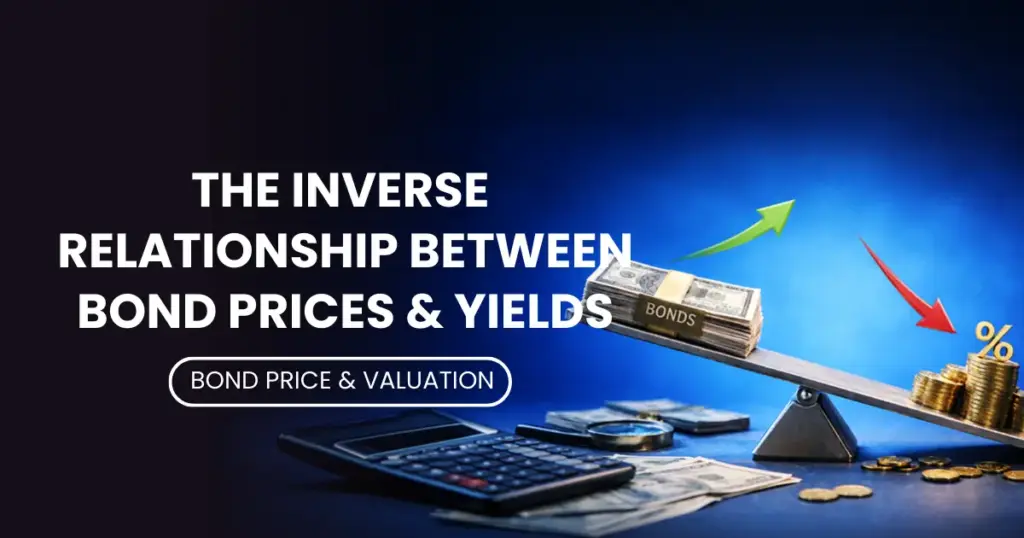
Understanding Bond Fundamentals: A Guide for Smart Investing In the diverse world of financial markets, building a resilient portfolio requires more than just chasing stock market rallies. It requires balance, stability, and consistent income. This is where bonds come into play. Often viewed as the “steady hand” of investing, bonds offer a way to preserve capital while generating predictable returns. At PhillipCapital DIFC, we believe that educated investors are successful investors. Whether you are a High-Net-Worth Individual (HNWI) in Dubai or an institutional client looking to diversify, understanding the mechanics of fixed-income securities is crucial. Below, we break down the essentials of bonds in a comprehensive Q&A format to help you navigate this asset class with confidence. What exactly is a bond? Think of a bond as a loan, but instead of you borrowing money from a bank, you are the one lending money to an entity. When you purchase a bond, you are effectively lending your capital to a borrower—typically a government, a municipality, or a corporation—for a defined period. In exchange for this loan, the borrower (issuer) promises to do two things: Pay you a specified rate of interest (known as the coupon) at regular intervals (usually annually or semi-annually). Repay the original loan amount (the principal or face value) when the bond reaches the end of its term (the maturity date). Bonds are legally binding agreements, making them generally safer than stocks, as bondholders have a higher claim on assets than shareholders if a company faces bankruptcy. What are the key components I need to understand before investing? To evaluate a bond properly, you need to be familiar with its “anatomy.” Here are the four pillars of every bond: Face Value (Par Value): This is the amount the bond will be worth at maturity. It is also the reference amount the issuer uses to calculate interest payments. Coupon Rate: This is the interest rate the bond issuer pays to the holder. For example, a 5% coupon on a $1,000 bond means you receive $50 a year. Maturity Date: The specific date on which the borrower must pay back the principal amount to the investor. Yield: This is a dynamic figure that represents the return you actually get on the bond, based on its current market price and the coupon payments. How do Bond Prices relate to Interest Rates? This is perhaps the most critical concept in fixed-income investing. Bond prices and interest rates have an inverse relationship. When interest rates rise, new bonds are issued with higher coupons. This makes existing bonds with lower coupons less attractive, causing their prices to fall. When interest rates fall, new bonds are issued with lower coupons. This makes your existing older bonds (which pay higher interest) more valuable, causing their prices to rise. What types of bonds can I access through PhillipCapital DIFC? The bond market is vast, offering different risk and return profiles. Through our global platform, investors can access a wide array of fixed-income securities: Government Bonds (Sovereign Debt): Issued by national governments. These are generally considered low-risk, especially those from stable economies (e.g., US Treasuries, UK Gilts). Corporate Bonds: Issued by companies to fund business expansion. These typically offer higher yields than government bonds to compensate for the slightly higher risk. High-Yield Bonds: Issued by companies with lower credit ratings. These offer significant income potential but come with higher volatility. Global & Emerging Market Bonds: For investors seeking exposure outside their home currency or region, offering diversification across different economies. Explore Our Global Bond Offerings Your gateway to secure, globally diversified bond investments. Learn More Why are Credit Ratings important? Not all borrowers are created equal. Just as individuals have credit scores, bond issuers are rated by independent agencies like Moody’s, Standard & Poor’s (S&P), and Fitch. Investment Grade (AAA to BBB-): These bonds are issued by financially stable entities and have a low risk of default. They are ideal for capital preservation. Non-Investment Grade (Junk Bonds or High Yield): These are rated BB+ and below. They imply a higher risk that the borrower might default, but they pay higher interest rates to attract investors. At PhillipCapital, our experts can help you assess the credit quality of an issuance to ensure it aligns with your risk appetite. Why should I include bonds in my portfolio? Bonds serve several vital roles in a well-rounded investment strategy: Income Generation: The regular coupon payments provide a steady stream of cash flow, which can be used for living expenses or reinvested. Capital Preservation: Bonds are generally less volatile than stocks, helping to protect your principal. Diversification: Bonds often perform differently than stocks. When equity markets are volatile, bonds can provide a stability buffer, smoothing out the overall returns of your portfolio. Speak to a Fixed Income Head Contact Now How do I start trading bonds with PhillipCapital DIFC? Investing in the global bond market requires a platform that offers reach, reliability, and regulatory trust. As a DFSA-regulated entity, PhillipCapital DIFC provides a secure gateway to international fixed-income markets. Whether you are looking to invest in USD-denominated sovereign bonds or high-yield corporate debentures, our sophisticated trading platforms and experienced dealing desk are at your service. Disclosures For informational purposes only; not investment advice or a solicitation to buy/sell any security or digital asset. Markets move quickly; quotes and levels may change. All company names and trademarks belong to their respective owners. Questions or feedback? Contact your brokerage representative or editorial team. Disclaimer: Trading foreign exchange and/or contracts for difference on margin carries a high level of risk, and may not be suitable for all investors as you could sustain losses in excess of deposits. The products are intended for retail, professional and eligible counterparty clients. Before deciding to trade any products offered by PhillipCapital (DIFC) Private Limited you should carefully consider your objectives, financial situation, needs and level of experience. You should be aware of all the risks associated with trading on margin. The content of the Website must not be

Understanding Bond Fundamentals: A Guide for Smart Investing Read More »