Bond Maturities Short-Term, Intermediate, and Long-Term Bonds Table of Contents...
Read MoreMinor and Exotic Currency Pairs
A Trader’s Guide to Global Opportunities
While major currency pairs like EUR/USD and GBP/USD dominate the headlines, seasoned traders often look beyond the majors to find unique opportunities in the global market. Understanding Minor and Exotic Currency Pairs can open doors to high-volatility trading strategies and portfolio diversification. At Phillip Capital DIFC, we provide access to over 40 currency pairs, allowing you to trade the world’s most dynamic economies from our regulated hub in Dubai. Whether you are hedging exposure or seeking yield, understanding the nuances of these pairs is essential for navigating the forex landscape.
Table of Contents
- What are Minor Currency Pairs?
- What Defines an Exotic Currency Pair?
- Why Should I Consider Trading Exotic Pairs with Phillip Capital DIFC?
- What Are the Key Risks of Trading Exotic Currency Pairs?
- How Do Interest Rates Affect Minor and Exotic Pairs?
- Which Exotic Pairs are Popular Among Dubai Traders?
- How Can I Start Trading These Pairs?
- Conclusion


What are Minor Currency Pairs?
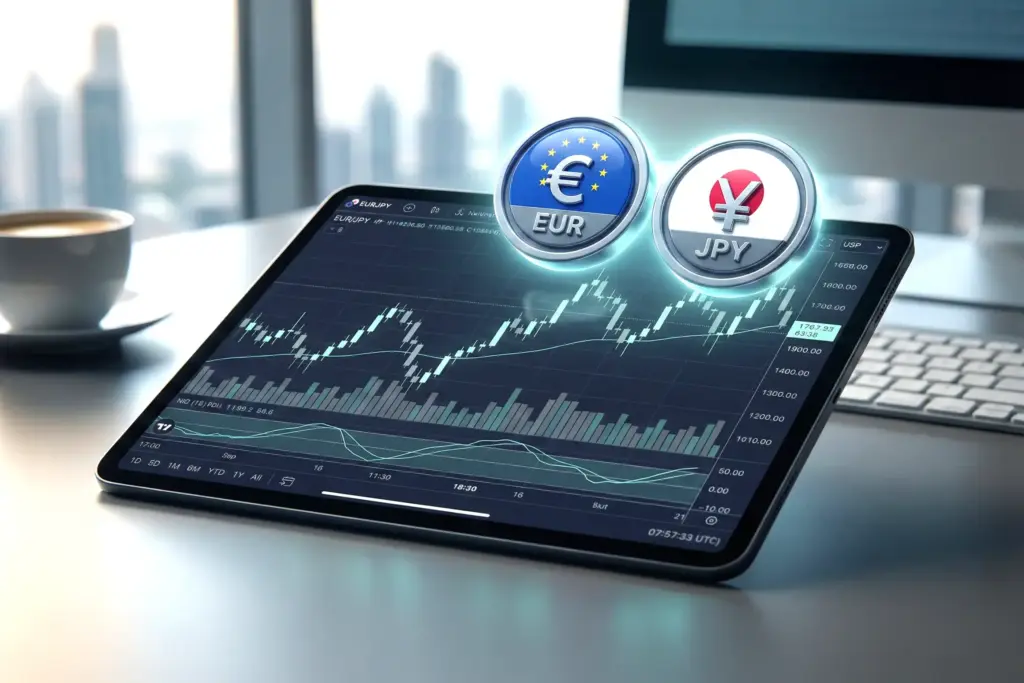
Minor currency pairs, often referred to as “crosses,” are pairs that do not include the US Dollar (USD) but do contain major currencies from other significant economies. The most common minors involve the Euro (EUR), Japanese Yen (JPY), or British Pound (GBP).
For example, EUR/GBP (Euro vs. British Pound) and EUR/JPY (Euro vs. Japanese Yen) are classic minor pairs. Unlike majors, which are heavily influenced by the US economy and Federal Reserve policy, minor pairs are driven by their respective local economic data. Trading minors allows you to speculate on the strength of one economy against another without the direct noise of the US dollar. They typically offer good liquidity, though spreads can be slightly wider than the majors.
What Defines an Exotic Currency Pair?
Exotic currency pairs consist of one major currency (like the USD or EUR) paired with the currency of a developing or emerging economy. Examples include USD/TRY (US Dollar vs. Turkish Lira), USD/ZAR (US Dollar vs. South African Rand), and USD/SGD (US Dollar vs. Singapore Dollar).
These pairs are termed “exotic” not because they are unusual, but because they are traded in lower volumes compared to majors and minors. This lower liquidity often results in higher volatility and wider spreads. However, for the strategic trader, this volatility can present significant profit opportunities—provided the risks are well-managed. Exotics are often highly sensitive to political news and economic shifts within the emerging market country.
Why Should I Consider Trading Exotic Pairs with Phillip Capital DIFC?
Trading exotics offers a layer of diversification that majors simply cannot match. Because these currencies are tied to emerging markets, they often move independently of the G7 economies. For instance, if the US and Europe are in a period of stagnation, an emerging market might be experiencing a resource boom, creating a strong trend in its currency.
At Phillip Capital DIFC, we offer a robust trading environment for these pairs. Our MetaTrader 5 (MT5) platform provides the advanced charting tools necessary to analyze the wild swings often seen in exotics. Furthermore, as a regulated entity in the DIFC, we offer the security and transparency you need when trading volatile assets.
Ready to Diversify Your Portfolio?
Access over 40 currency pairs including USD/SGD and USD/CNH today


What Are the Key Risks of Trading Exotic Currency Pairs?
While the potential for high returns exists, the risks are equally elevated. The primary risk is liquidity risk. Because fewer people trade these pairs, it can sometimes be difficult to enter or exit a position at your exact desired price, leading to slippage.
Secondly, spreads are wider. The cost of doing business is higher for exotics than for majors like EUR/USD. This means scalping strategies (making many small trades) are generally less effective; exotics are better suited for swing trading where you aim to capture larger moves. Finally, political instability in emerging markets can cause massive, sudden gaps in price, bypassing stop-loss orders. Traders must keep a close eye on geopolitical news when holding these positions
How Do Interest Rates Affect Minor and Exotic Pairs?
Interest rates are the heartbeat of the forex market, and this is especially true for exotics. Many emerging economies have significantly higher interest rates than the US or Europe to attract foreign investment.
This creates an opportunity for a strategy known as the “Carry Trade.” For example, if you buy a currency with a high interest rate (like the South African Rand) against a currency with a low interest rate (like the Japanese Yen), you may earn the difference in interest payments every day you hold the trade, assuming the exchange rate remains stable. However, if the high-yield currency crashes, the capital loss can quickly wipe out any interest gains.
Which Exotic Pairs are Popular Among Dubai Traders?
Given Dubai’s position as a global trade hub, we see significant interest in pairs that connect the East and West.
- USD/SGD (Singapore Dollar): Popular for those looking at Asian market exposure with a stable governance backdrop.
- USD/CNH (Offshore Renminbi): Essential for traders tracking the Chinese economy.
- USD/TRY (Turkish Lira): Known for its high volatility and interest among regional traders.
Additionally, many local investors track the USD/AED peg closely, though for speculative trading, they often look to non-pegged regional currencies or broader Asian exotics offered on our platform.
Trade with a Regulated Broker
Experience secure trading with Phillip Capital DIFC.
How Can I Start Trading These Pairs?
Starting is straightforward with Phillip Capital DIFC. First, you need to ensure your account type supports the full range of CFD and Forex products.
- Analyze the Pair: Don’t just jump in. Use the economic calendar to check for upcoming news in the specific country (e.g., Turkey or Singapore).
- Check the Spread: Be aware of the transaction cost before you trade.
- Size Your Position Correctly: Due to higher volatility, consider trading smaller sizes on exotics compared to what you would trade on EUR/USD.
We recommend checking our Market Insights section regularly for updates on global economic trends that could affect these niche markets.
Conclusion
Minor and exotic currency pairs offer a fascinating alternative to the crowded major market. They require a different approach—more patience, wider stops, and a keen eye on global economics—but the rewards for the disciplined trader can be substantial. With Phillip Capital DIFC, you have a partner that provides the technology, range of markets, and regulatory safety to explore these opportunities with confidence.
Join the Global Markets
Get competitive spreads on Minors and Exotics


Disclaimer:
Trading foreign exchange and/or contracts for difference on margin carries a high level of risk, and may not be suitable for all investors as you could sustain losses in excess of deposits. The products are intended for retail, professional and eligible counterparty clients. Before deciding to trade any products offered by PhillipCapital (DIFC) Private Limited you should carefully consider your objectives, financial situation, needs and level of experience. You should be aware of all the risks associated with trading on margin. The content of the Website must not be construed as personal advice. For retail, professional and eligible counterparty clients. Before deciding to trade any products offered by PhillipCapital (DIFC) Private Limited you should carefully consider your objectives, financial situation, needs and level of experience. You should be aware of all the risks associated with trading on margin.
Rolling Spot Contracts and CFDs are complex instruments and come with a high risk of losing money rapidly due to leverage. 78% of our retail client accounts lose money while trading with us. You should consider whether you understand how Rolling Spot Contracts and CFDs work, and whether you can afford to take the high risk of losing your money.
Sector Rotation Strategy
Sector Rotation A Strategic Guide to Investing Through Economic Cycles...
Read MoreHow Structured Products Work
How Structured Products Work A Complete Guide for Investors Table...
Read MoreStock Valuation Methods
Stock Valuation Methods A Comprehensive Guide to Estimating Fair Value...
Read MoreMinor and Exotic Currency Pairs
Minor and Exotic Currency Pairs A Trader’s Guide to Global...
Read MoreLong vs Short Positions in Derivatives
Long vs Short Positions in Derivatives A Complete Guide for...
Read MoreInvestment Grade vs Non-Investment Grade Bonds
Investment Grade vs Non-Investment Grade Bonds A Guide for UAE...
Read MoreStock Market Hours and Session Trading
Stock Market Hours and Session Trading A Global Guide for...
Read MoreOver-the-Counter (OTC) vs Exchange-Traded Derivatives
Over-the-Counter (OTC) vs Exchange-Traded Derivatives A Complete Guide for UAE...
Read MoreBonds: Face Value, Par Value & Coupon Rate
Bonds: Face Value, Par Value & Coupon Rate When venturing...
Read MoreGrowth Investing
Growth Investing The High-Risk, High-Reward Strategy for UAE Investors Growth...
Read MoreComponents of Structured Products
Components of Structured Products A Detailed Guide for UAE Investors...
Read MoreInitial Public Offering Process guide
IPO (Initial Public Offering) Process From Private to Public In...
Read MoreForex Market Structure and Hours
Forex Market Structure and Hours The Complete Guide for UAE...
Read MoreTypes of Derivatives: Futures, Options, Swaps, and Forwards
Types of Derivatives Futures, Options, Swaps, and Forwards In the...
Read MoreBond Issuers Government vs Corporate Bonds
Bond Issuers Government vs Corporate Bonds What UAE Investors Need...
Read MoreWhat Are Equities and Shares
Demystifying the Market What Are Equities and Shares? The world...
Read MoreWhat is Spot FX Trading and How Does It Work?
Decoding the Market What is Spot FX Trading and How...
Read MoreWhat are Derivatives and Their Purpose
What are Derivatives and Their Purpose The financial world is...
Read MoreIntroduction to Stock Markets
Master the Basics: An Introduction to Stock Markets and Deliverable...
Read MoreIntroduction to the Forex Market
Introduction to the Forex Market : Your Gateway to Global...
Read MoreEssentials of Derivatives Trading
Mastering Market Moves: The Essentials of Derivatives Trading The financial...
Read MoreUnderstanding Bond Fundamentals: A Guide for Smart Investing
Understanding Bond Fundamentals: A Guide for Smart Investing In the...
Read More